
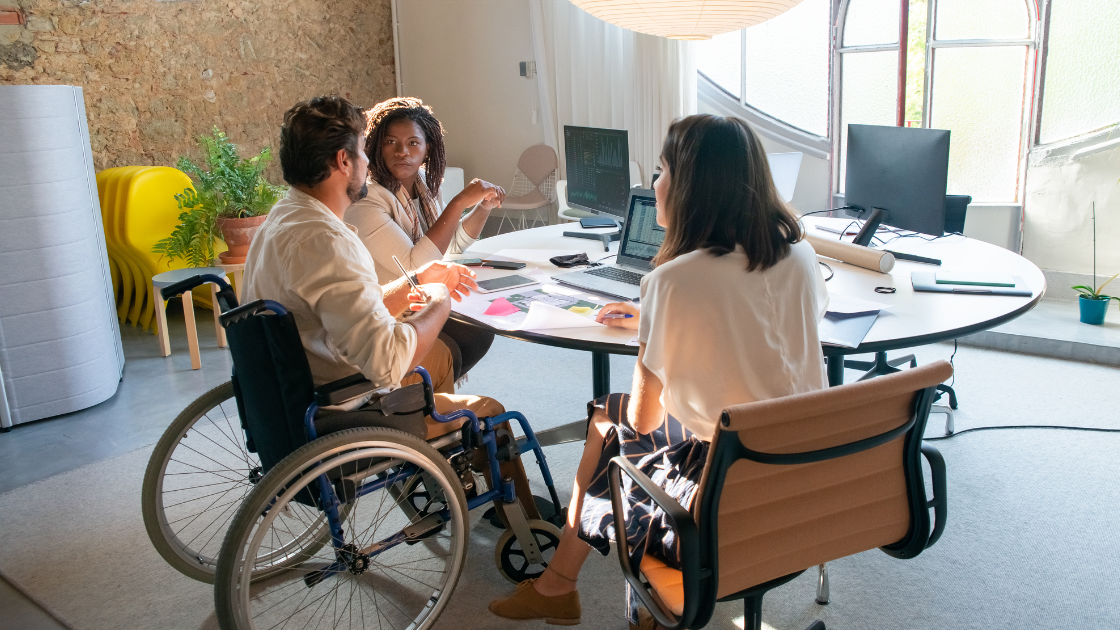
Over a million working-age individuals with disabilities are either working or on the job hunt, according to the Australian Institute of Health and Welfare. In today’s job market, businesses must go beyond choosing the right location; they must embrace inclusive practices and prioritise workplace accessibility to align with evolving demands.
Build Inclusive Workspaces
Create an inclusive office environment by systematically removing physical barriers.
- Start by integrating essential accommodations including wheelchair ramps.
- Elevators are pivotal in guaranteeing accessibility across different floors.
- Equally important are accessible restrooms on every floor.
- Embrace open office layouts as a strategic choice to augment inclusivity. Such designs alleviate the sense of claustrophobia and foster a more collaborative and welcoming atmosphere.
Consider Technological Accommodations
Decades of workplace design are centred around the average, predominantly able-bodied users. Today, our perspective should broaden to encompass individuals with diverse conditions including autism, visual impairment, and mobility challenges. Here are some technological accommodations and equipment that can further enhance inclusivity:
- Screen readers
- Voice recognition software
- Adjustable desk heights
Revitalising Workspaces for Well-Being
While the frequency of workers’ compensation claims tied to mental health has shown relative stability in recent years, a comprehensive analysis of the past two decades indicates a noteworthy trend. Specifically, there has been a substantial increase in the duration of time individuals take off work due to incapacitating mental health conditions. Between 2000 and 2017, the average period for these claims surged by 86%, escalating from 11.2 to 20.8 working weeks.
Whether a person is returning to the office for work, navigating a hybrid work setup, or has seamlessly transitioned back, the key to mental well-being lies in cultivating versatile workspaces. Consider implementing the following:
- Designated collaboration hubs for dynamic brainstorming,
- Private zones for focused tasks,
- Vibrant work cafés for informal meetings,
- Outdoor terraces for a breath of fresh air—each catering to diverse work modes throughout the day.
To further enhance the office environment:
- Incorporate home-like elements that resonate with comfort and functionality:
- Opt for ergonomic seating options with customisable features, accommodating different body types and preferences.
These thoughtful design choices contribute to a welcoming atmosphere and foster a sense of calm.

Implement Policies and Training Programs
Here are a few recommendations:
- Anti-harassment compliance training programs administer guidance and measures for responding to incidents like bullying and harassment.
- Diversity training emphasises the strengths of diversity and addresses how to work with people of different ethnicities, genders, sexual orientations, ages, and mental or physical abilities.
- Promote job postings in diverse platforms for a broad reach.
- Consider blind recruitment, focusing on skills and qualifications to minimise bias in the initial hiring stages.
- Train managers to assess based on job tasks, not assumptions about disability.
- Encourage open communication for addressing concerns and exploring accommodations.
